Elevating Urban Utility: Integrating Masonry in Modern Infrastructure Design May 20, 2026
Incorporating masonry into urban planning offers several advantages. Durability is one of the key benefits of masonry. Structures built with high-quality masonry materials such as brick, stone, and concrete are known for their longevity and ability to withstand various environmental conditions. This durability ensures that infrastructure maintenance costs are significantly reduced over time, providing economic benefits for city planners and taxpayers alike. Furthermore, masonry offers excellent resistance to fire, pests, and deterioration, making it a sound investment for infrastructure longevity.
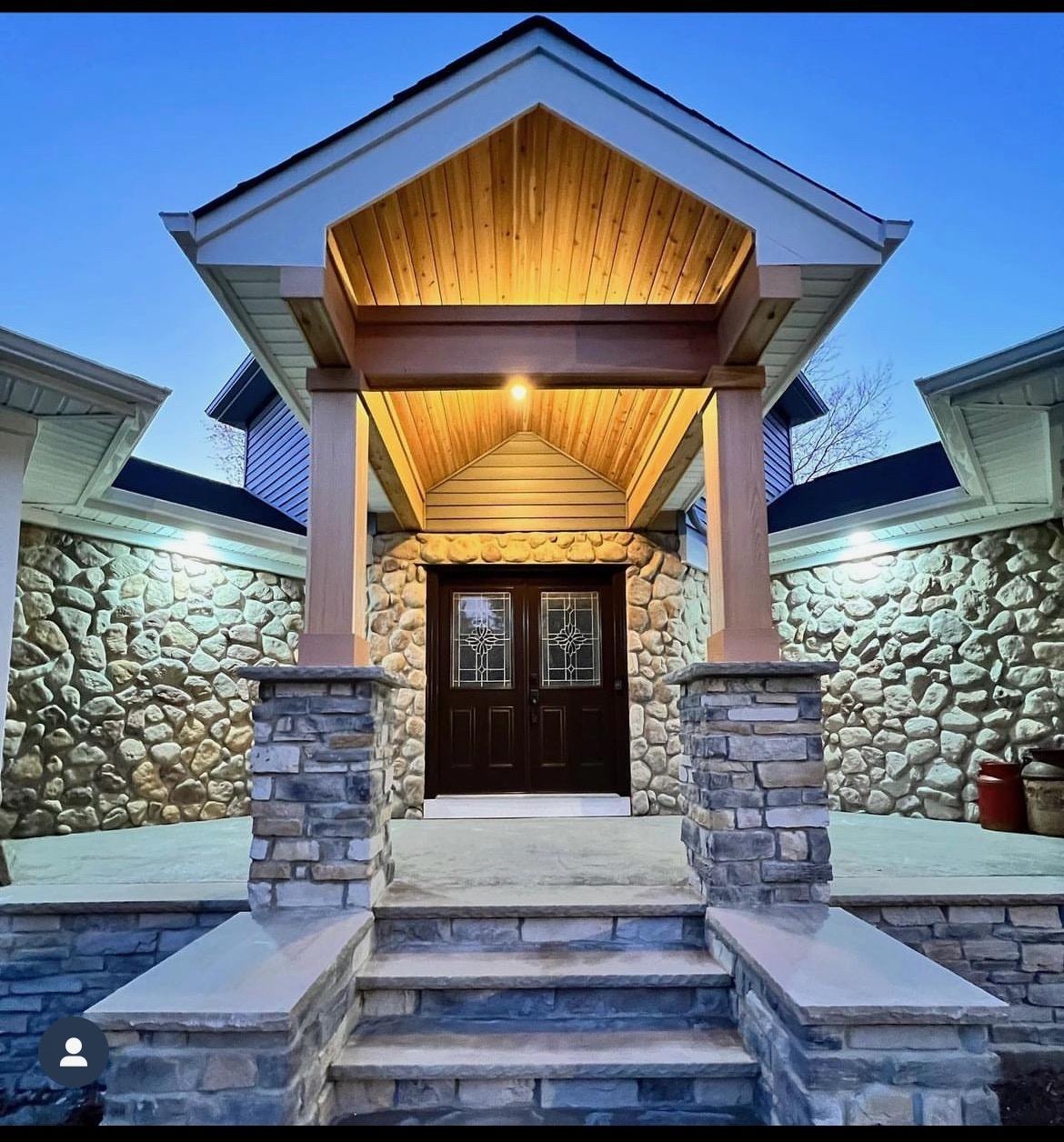
Aesthetics also play a crucial role in urban infrastructure, and masonry provides an unparalleled blend of beauty and functionality. The natural textures and colors of stone, brick, and concrete can be customized to complement a city’s architectural style or to stand out as a unique landmark. McClelland Masonry specializes in creating visually striking patterns and designs that enhance the urban landscape. Aside from enhancing the aesthetic appeal, well-designed masonry structures can also improve the cultural and historical value of a city, offering a sense of identity and continuity.
Masonry's sustainability attributes are increasingly relevant in today's conversations about environmental impacts and carbon footprints. Materials like brick and stone are locally sourced and have lower embodied energy compared to other construction materials, meaning less energy is consumed in their production and transportation. Furthermore, masonry materials are recyclable, adding to their sustainability quotient. By opting for masonry, urban planners and contractors contribute positively to environmental sustainability efforts, aligning with the global push toward greener cities.
Urban utility is not only about aesthetics and durability but also about functionality and adaptability. Masonry can be integrated in various ways to fulfill these utility requirements in modern urban infrastructure. Whether it is constructing sturdy, durable public buildings, creating efficient stormwater management systems, or developing park walkways that blend seamlessly into natural settings, masonry's adaptability is unmatched. At McClelland Masonry, our craftsmen are skilled in employing advanced techniques to ensure the structures meet high-performance standards while maintaining visual appeal.
Moreover, the acoustic properties of masonry are particularly beneficial in densely populated urban areas. Masonry's high-density materials provide excellent sound insulation, helping to create quieter and more peaceful urban environments. This quality is especially desirable in constructing barriers and walls along busy roads and train lines, contributing to better living conditions.
In conclusion, integrating masonry into modern infrastructure design is a smart strategy that offers incredible benefits, from aesthetics to sustainability and functionality. McClelland Masonry’s dedication to excellence ensures that each project not only meets but exceeds the urban utility needs of today’s cities. As we look toward the future, the harmonious blend of historical craftsmanship and modern innovation is poised to shape the evolution of our urban landscapes, ensuring they are both functional and beautiful for generations to come. By choosing masonry, city planners can make informed decisions that enhance the quality and longevity of urban infrastructure.
/filters:no_upscale()/filters:format(webp)/media/649ddfe7-2f3c-4eee-bdce-95ba79d51b01.jpg)
/filters:no_upscale()/filters:format(webp)/media/460df444-629f-4222-93a4-1ba0beb8949c.jpg)