Beyond the Brick: Innovative Masonry Ideas for Multifunctional Urban Spaces Jul 02, 2026
One of the most exciting trends is the use of masonry in vertical gardens. As urban greenery becomes more vital, masonry walls provide an ideal framework for these verdant installations. Not only do they allow for easy mounting of plants and irrigation systems, but the thermal mass of masonry helps regulate temperature for optimal plant growth. This eco-friendly approach not only beautifies spaces but also contributes to air quality and biodiversity in the city—a win-win for residents and the environment.
Moreover, multifunctional urban spaces can greatly benefit from the aesthetic and functional diversity of masonry materials. The use of recycled bricks for outdoor public seating or community gathering spaces marries sustainability with durability. These materials can withstand heavy use and weather changes, ensuring longevity. Creative designs using varying brick colors and patterns can transform these spaces into visual attractions, encouraging social interaction and community engagement.
Another compelling application is in noise reduction. Urban areas bustling with activity can greatly benefit from masonry’s natural soundproofing qualities. Constructing sound barriers with strategically designed masonry not only dampens urban noise but adds an aesthetically pleasing element to busy streetscapes. When McClelland Masonry embraces innovation, this results in spaces where residents and visitors alike can enjoy peace amidst the city’s hustle.
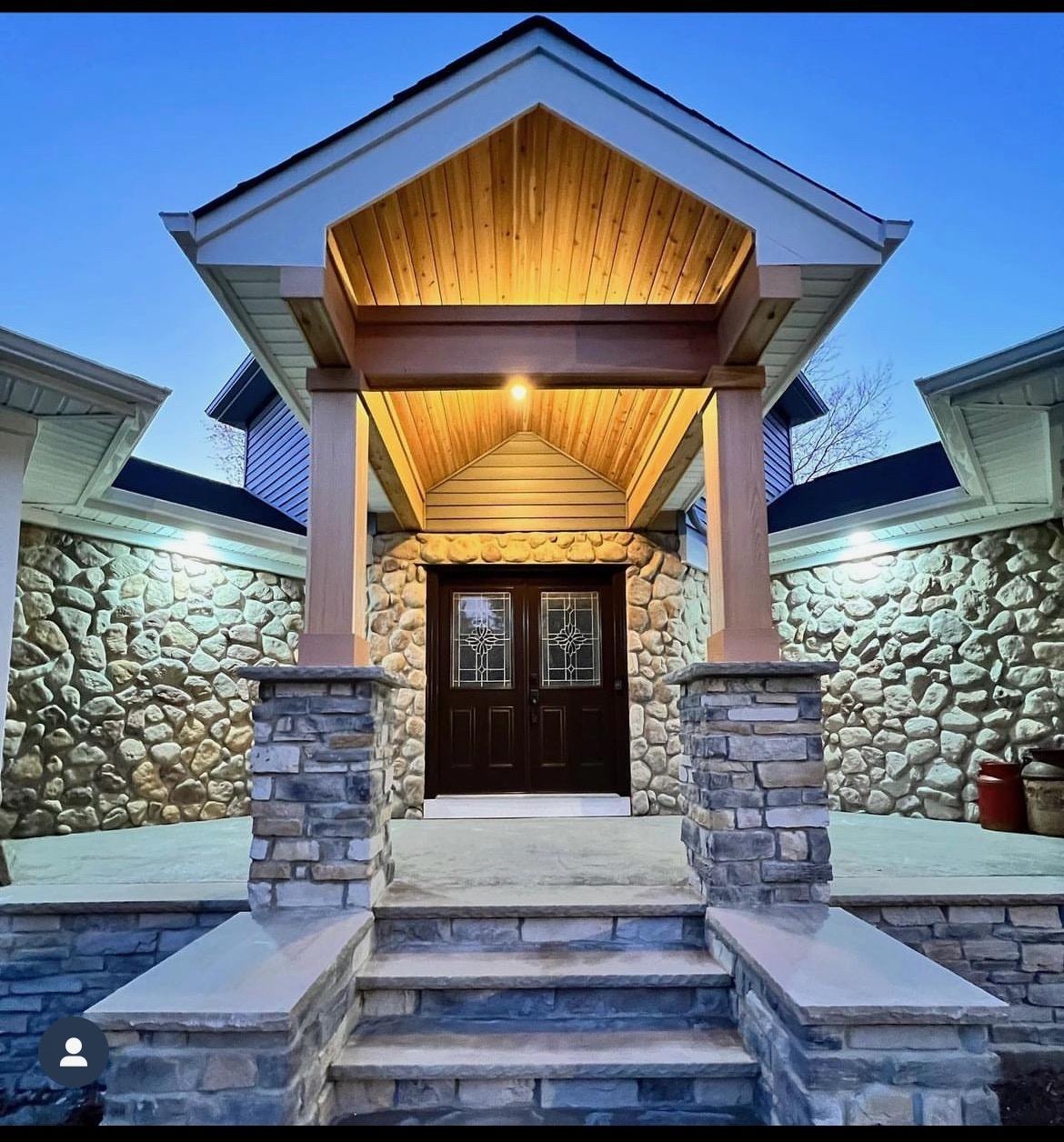
Masonry also plays a pivotal role in defining zones within urban environments. The creation of raised planter beds, walkways, and steps using stones and bricks allows for a seamless transition between different function zones—be it a bustling market square or a serene park corner. By doing so, masonry not only structures the physical environment but enhances the user experience, promoting inclusive and diverse use of space.
The resurgence of the community-focused design sees masonry contributing to pocket parks and micro-urban spaces. These underutilized areas can be transformed into lively communal hubs using smart masonry applications. For example, integrating seating, sculptures, and interactive art installations crafted from stone and brick can energize such spaces, turning overlooked corners into community magnets.
Finally, the incorporation of smart technology with masonry opens a new realm of possibilities. Responsive lighting systems built into masonry works can transform the atmosphere of public spaces from day to night, providing safety and aesthetics. McClelland Masonry’s forward-thinking approach ensures that technology and tradition meld seamlessly, creating urban spaces that are not just functional but also evocative and adaptive to changing needs.
In conclusion, the versatility of masonry lies not just in its structural potential but in its ability to redefine urban environments creatively and practically. McClelland Masonry is at the forefront of these transformations, using innovative masonry ideas to craft multifunctional urban spaces that harmonize with modern and future needs. Whether through enhancing green footprints, reducing urban noise, or energizing public spaces with dynamic designs, masonry continues to be a cornerstone of urban planning and sustainability. Engaging with these ideas can catalyze community interaction and foster a sense of belonging—key elements for thriving urban life.
/filters:no_upscale()/filters:format(webp)/media/649ddfe7-2f3c-4eee-bdce-95ba79d51b01.jpg)
/filters:no_upscale()/filters:format(webp)/media/460df444-629f-4222-93a4-1ba0beb8949c.jpg)