Beyond Aesthetics: The Role of Masonry in Sustainable Urban Planning Jan 30, 2026
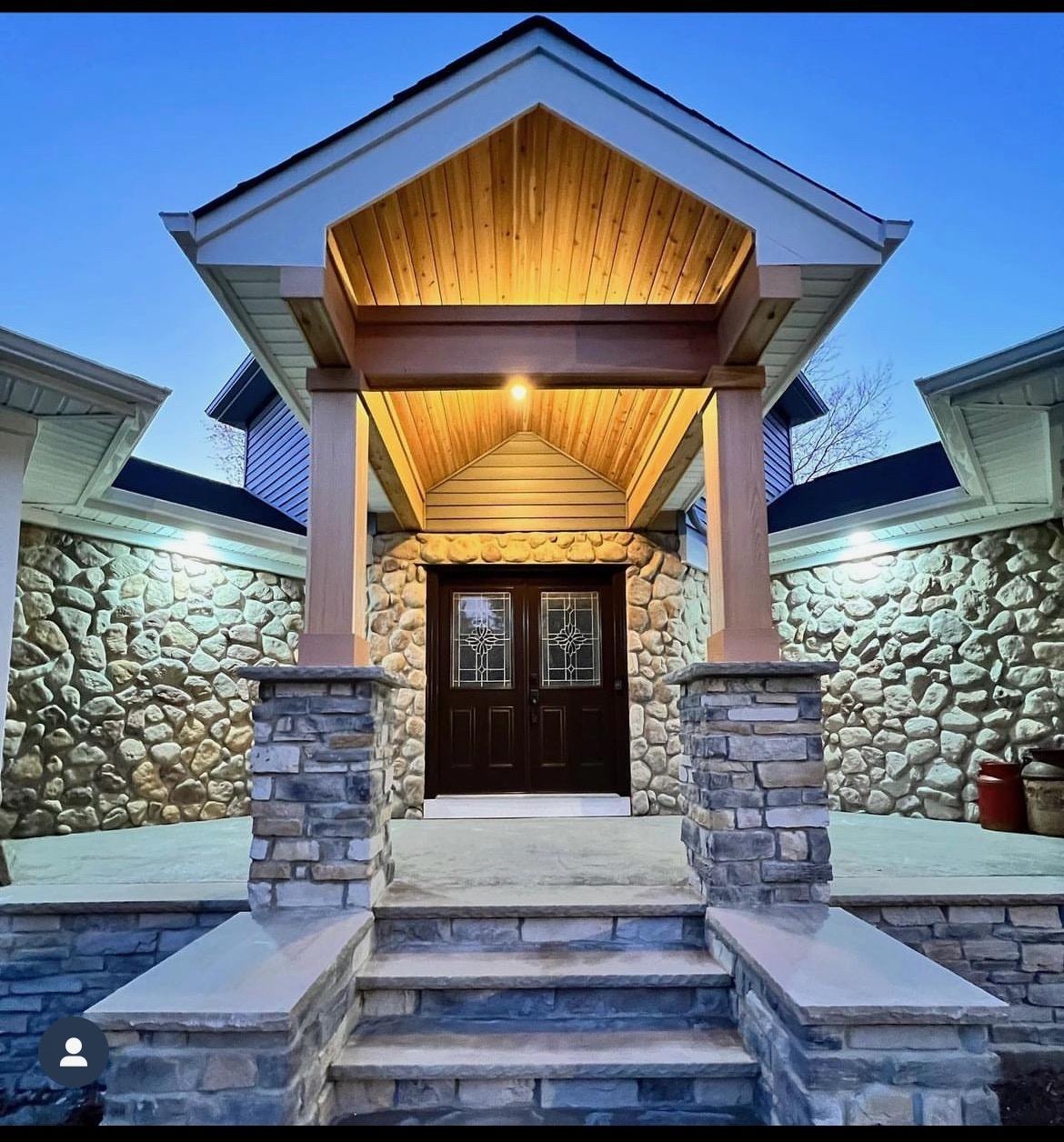
Masonry has always been synonymous with durability and beauty. The rich textures and enduring charm of brick, stone, and concrete have graced structures for centuries, telling stories through their timeless construction. However, beyond these aesthetic qualities, masonry plays a crucial role in fostering environmentally sustainable development.
Sustainability in urban planning encompasses reducing energy consumption, minimizing carbon footprints, and ensuring structures have a longer lifespan. Masonry contributes to these objectives through its thermal mass properties. The dense nature of materials like brick and stone helps regulate temperature by absorbing heat during the day and releasing it slowly at night. This results in reduced reliance on artificial heating and cooling systems, thereby lowering energy consumption and overall costs.
Additionally, masonry materials are often locally sourced, reducing the carbon emissions associated with transportation. Companies like McClelland Masonry are increasingly prioritizing sourcing materials that not only meet architectural needs but also contribute to a reduced environmental impact. By choosing local suppliers, the company helps reduce fossil fuel consumption linked to long-distance transport, thus supporting an eco-friendlier construction cycle.
Another sustainability aspect of masonry lies in its longevity. Structures made from masonry tend to have a much longer lifespan than those built with other materials. This durability implies fewer reconstructions and renovations over time, conserving resources and reducing waste in landfills. The ecological footprint of an urban area can be significantly reduced by ensuring buildings are constructed to last, thereby aligning with the goals of sustainable urban planning.
Moreover, masonry's inherent fire resistance and ability to withstand harsh weather conditions make it an invaluable component in constructing resilient urban landscapes. As urban areas face challenges from climate change, including increasing severe weather events, the use of robust materials like masonry can ensure safety and reduce maintenance costs over time. These aspects are vital considerations in effective urban planning, where the focus is on creating spaces that can adapt and thrive in an unpredictable environment.
At McClelland Masonry, the integration of these principles in project planning and execution underscores the company's commitment to sustainability. Every project is approached with an understanding of how traditional masonry techniques can be optimized to meet modern standards of eco-friendliness and energy efficiency. This approach not only complements the aesthetic aspirations of urban planners but also fulfills broader goals towards a sustainable future.
In conclusion, the role of masonry in sustainable urban planning extends far beyond its visual appeal. It's a vital component in creating efficient, resilient, and eco-friendly urban spaces. By leveraging the natural properties of masonry, urban designers, and companies like McClelland Masonry contribute to a more sustainable future, where cities are not just beautiful, but also capable of standing the test of time both environmentally and structurally.
Understanding the critical intertwining of masonry in these sustainable practices highlights its importance and positions it as a cornerstone of both past architectural triumphs and future urban planning innovations.
/filters:no_upscale()/filters:format(webp)/media/649ddfe7-2f3c-4eee-bdce-95ba79d51b01.jpg)
/filters:no_upscale()/filters:format(webp)/media/460df444-629f-4222-93a4-1ba0beb8949c.jpg)